Fill Dirt in Utah
Plan for spring movement in Utah clay before shaping a garage pad. Fill Dirt adds material for grade changes and excavation backfill.
- Size: Screened to remove large rocks, roots and debris
- Grading: Minimal organic matter
From $259 for 1 ton, delivery included (larger loads cost significantly less per ton)
Free delivery included
Free delivery anywhere in Utah
Pick a delivery date
Weekday delivery, earliest Nov 3
Get a Free Quote
Fill out the form and our sales team will get back to you within the hour.
Everything You Need to Know About Fill Dirt
Size and Grading
- Size
- Screened to remove large rocks, roots and debris
- Grading
- Minimal organic matter
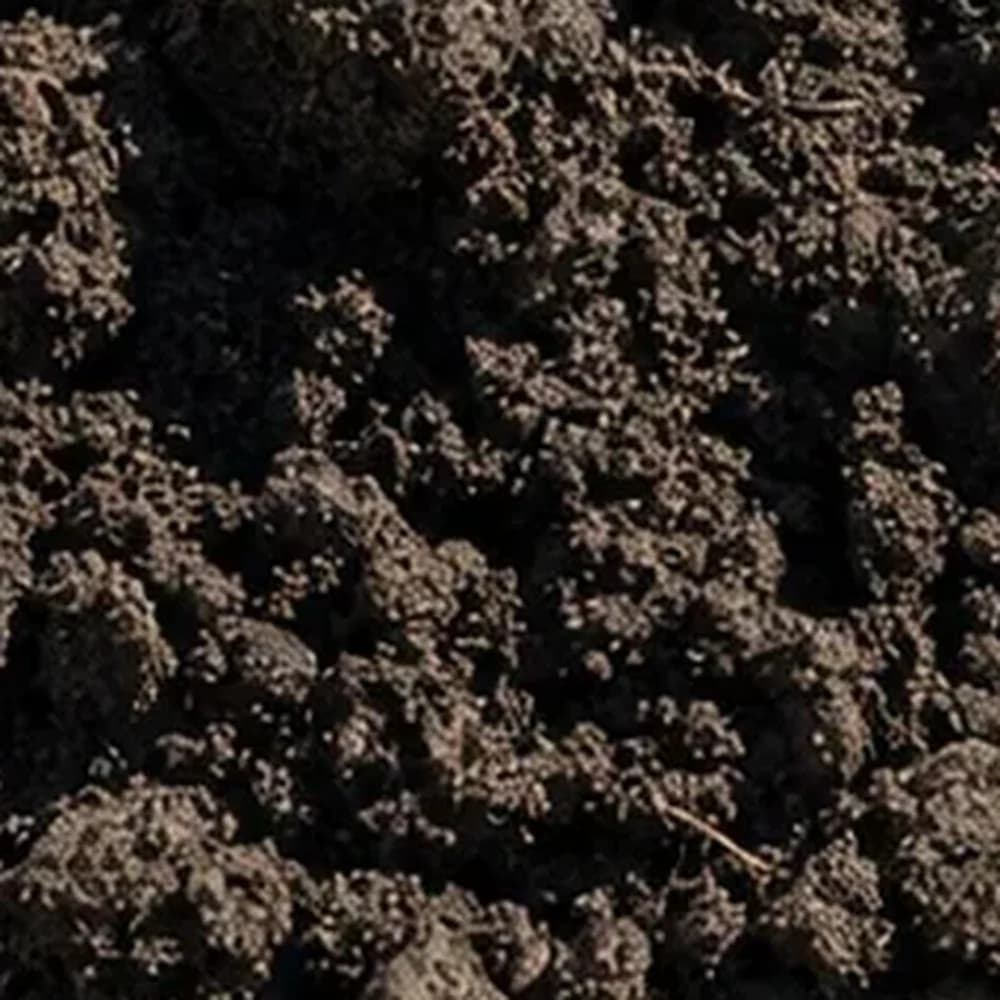
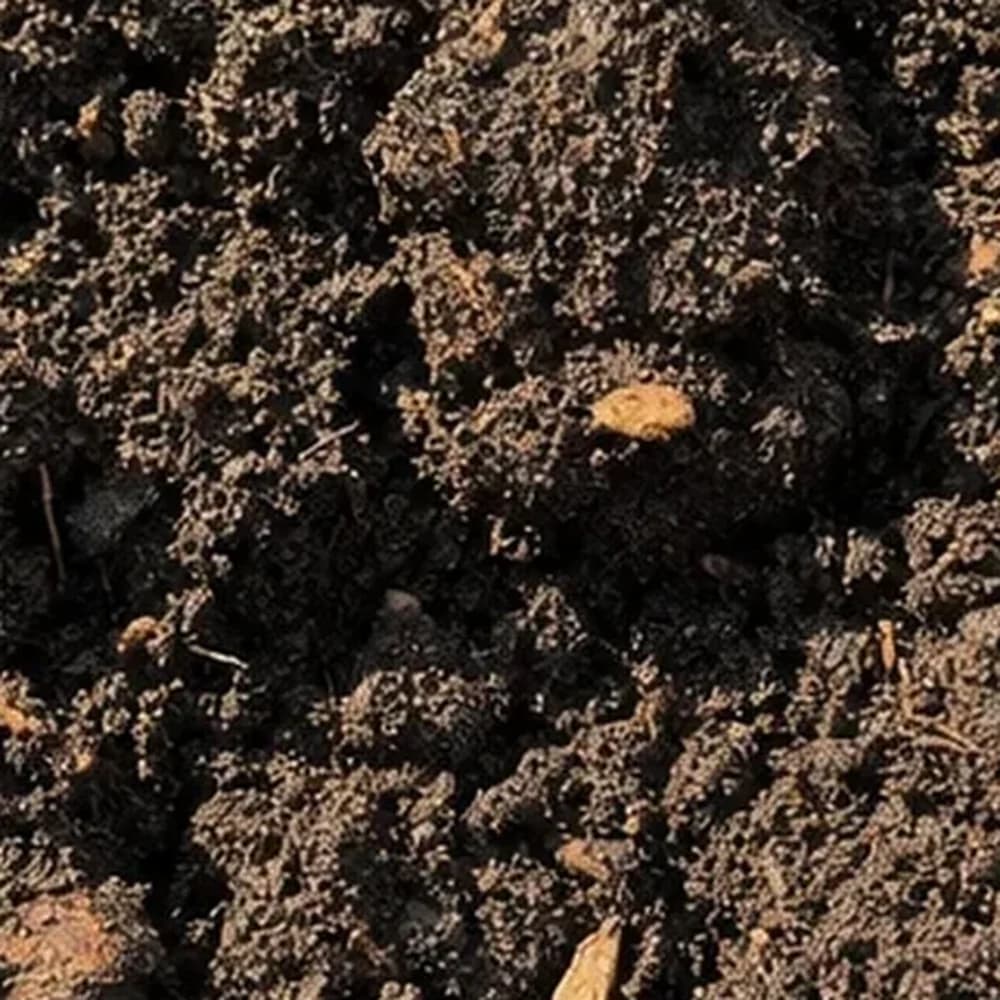
Old lake-bed clay along the Wasatch Front can swell when snowmelt arrives, while bench gravel sheds moisture quickly. Fill Dirt offers screened, clean earthen volume for adjusting a low area, returning material around a foundation excavation, or preparing the broad form of a detached garage pad. Its low organic content suits a buried grade better than planting soil, whose organic portion can break down and contribute to settlement.
Set drainage contours before spreading fill near a pad or along a snowmelt route, since the finished shape directs surface water. Firm the material during installation to create dependable support for later layers. Where the work transitions to a xeriscape bed or planted area, cover the shaped fill with topsoil before adding vegetation. This keeps growth media at the surface where it is useful.
Quickly Calculate How Much You Need
Material: Fill Dirt
How to Measure
Measure the length and width of your project area in feet
Decide on depth in inches (2" for landscaping, 4" for driveways)
Enter the values above and we'll calculate the tonnage you need
Need help figuring out the right amount? We can help!
Call or text us at (385) 360-1334 and we'll help you calculate the right quantity for your project.
Not sure how much you need? The Dirt Calculator has depth guides, coverage charts and worked examples for this material.
Common Uses
Preparing Grades for a Site
Use fill dirt to shape the needed grade at building sites, home lots, and commercial locations. It helps form the contours and slopes that guide drainage, locate buildings, and lay out landscaping. Along the Wasatch Front, planning for spring snowmelt can be part of that grading work.
Backfill for Foundations
Place compactable fill dirt around foundations, retaining walls, and structures below grade. With little organic material, it will not break down and settle as organic-heavy soil can, helping provide lasting support.
Correcting Low Spots
Raise areas where water pools, mud develops, or drainage remains a problem. Adding fill dirt brings up the grade so water moves away from structures and occupied areas, which can reduce ongoing moisture concerns.
Reclaiming Holes & Empty Spaces
Use bulk fill dirt to close up disused swimming pools, vacant basements, excavation gaps, and oversized holes. Proper compaction leaves the area ready for its next purpose, including building work or a new lawn.
Why Choose Fill Dirt
Budget-Friendly Bulk Fill
Fill dirt is the lowest-cost bulk material for earthwork, making it suitable for high-volume jobs that do not call for topsoil-grade material. It can help keep grading and fill work within budget.
Dense Compaction
Fill dirt's mineral content lets it pack tightly and helps limit later settlement. That firm support matters beneath structures, pavement, and soil layers placed above it.
Stable Fill
With little organic material in it, fill dirt is less apt to break down or lose volume as organic soils do. The grade set for your project can hold its position over the long term.
Multi-Use Earthwork Fill
Fill dirt can handle rough grading, backfilling, and filling open voids before the next stage of work. It establishes the ground base for construction and landscape projects.